AGP Executive Report
Last update: 2 days agoIn the past 12 hours, campus-related coverage skewed toward policy changes, student life, and institutional updates. The University of Maryland Senate voted to end an interim micromobility helmet requirement and update a professional track faculty workload policy, with the rationale tied to feasibility of enforcement and a shift toward infrastructure improvements. Separately, Seattle University announced its campus store will end traditional operations at the close of the academic year, moving to an online store plus pop-ups and shifting course-materials pickup to a different location. Other “how campuses work” stories included a report on blue books returning for in-person exams as a response to AI use, and commentary on why teaching is “falling apart,” framed as a cultural issue rather than a purely systemic one.
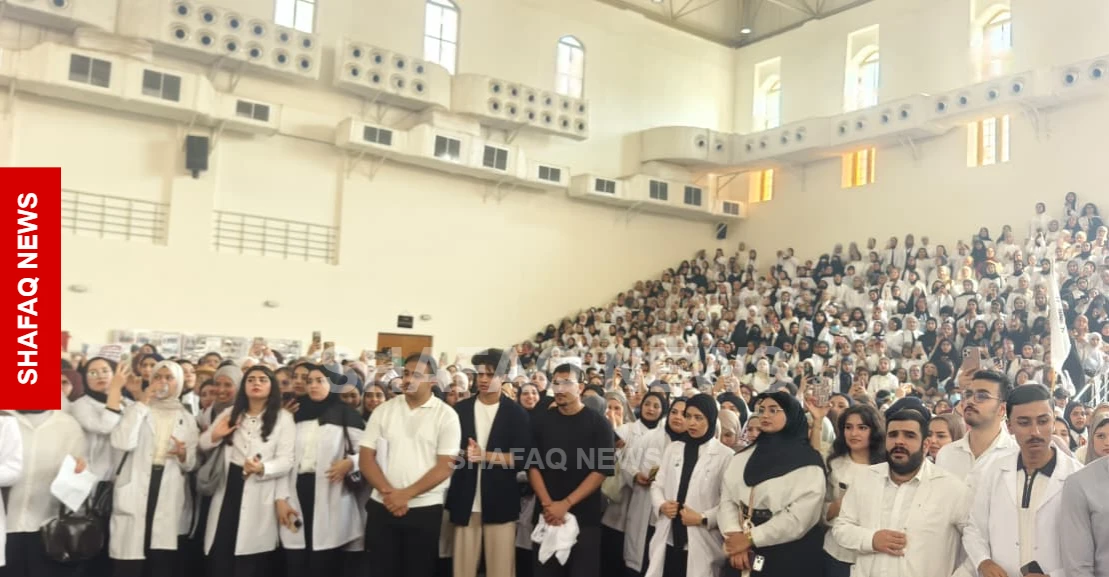
Several items also highlighted community, culture, and learning initiatives. York Jewish Society hosted a large event at University of York’s Clifford’s Tower featuring a kosher meal and reflections on the site’s history, explicitly in the backdrop of rising concerns about antisemitism in UK universities. St Aloysius (Deemed to be University) signed an MoU to establish a Centre for Religion and Culture, aiming at academic engagement and interfaith dialogue. Amran University held workshops and public discussions tied to its first pharmacy cohort’s graduation research projects, while other coverage included a University of Chicago Press employees’ unionization effort (UCP Workers Guild) seeking recognition and bargaining.
Beyond campus operations, the last 12 hours included notable institutional and external developments. Kiteworks (ownCloud) launched an Open Source Program Office under the ownCloud brand, including relicensing projects to Apache 2.0, publishing a governance charter, and issuing an AI-assisted contribution policy. In health and infrastructure, Ascension Saint Thomas set a June 16 groundbreaking date for a new hospital and health campus in Clarksville, described as a $148.5 million, 96-acre integrated campus expected to create about 250 jobs. There was also a high-profile legal story involving a Moorpark professor changing his plea to guilty in the death of a Jewish man at a Thousand Oaks protest, with prosecutors describing the incident and the revised sentencing outlook.
Looking slightly further back (12 to 72 hours ago), coverage showed continuity in debates over campus speech and safety, including reports about a graduation speaker invite being withdrawn over Israel criticism and renewed attention to antisemitism reporting trends. There was also ongoing attention to curriculum governance and academic autonomy, such as concerns about proposed CHED revisions to general education requirements in the Philippines—criticized for reducing GE units and removing humanities—along with related faculty-union worries about top-down control. Overall, the most recent evidence is rich on day-to-day campus governance and institutional logistics, while older items provide context for the broader policy and rights debates that continue to shape campus news.
Note: AI summary from news headlines; neutral sources weighted more to help reduce bias in the result.